Upcoming training Seminar: Data-Driven Methods for Deploying AI [learn more and rEgister for the event]

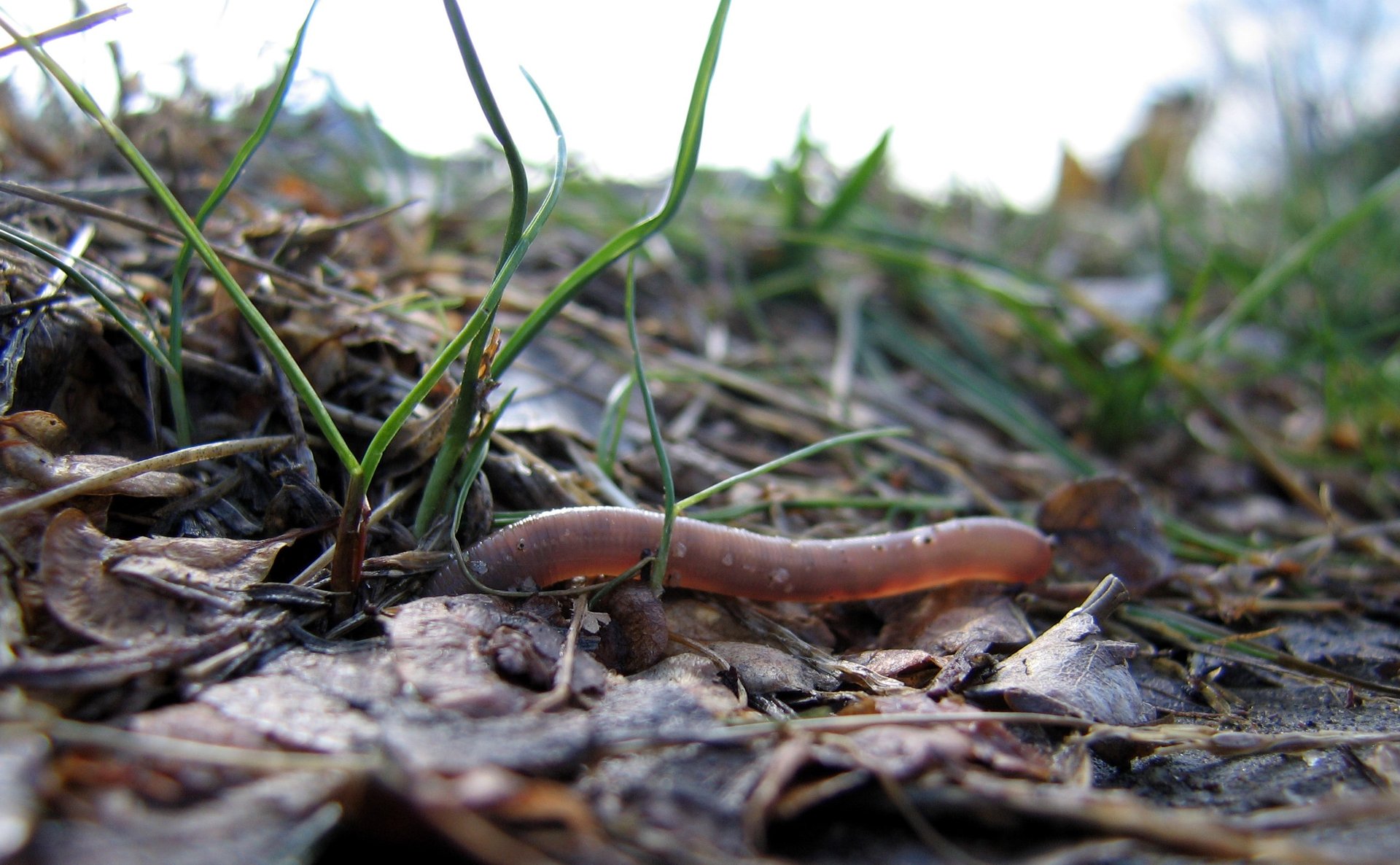
Agro Bot: Soft Robotic Probes for Minimal-Disturbance Deep Soil Analysis
Bridging Precision Agriculture, Carbon Auditing, and "One Health"
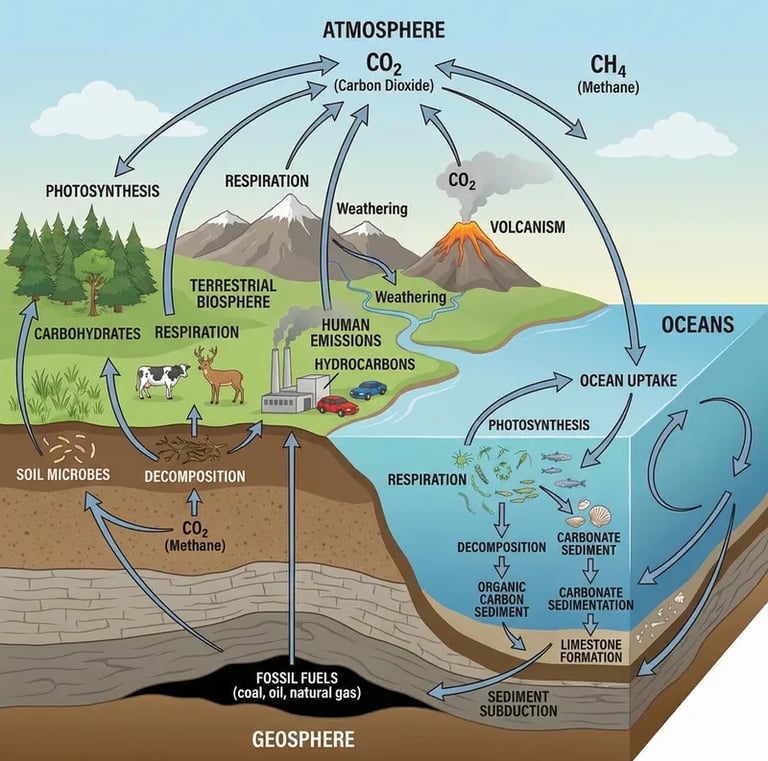
The Carbon Verification Gap
Modern agriculture faces a "blind spot": the deep soil. While surface-level data is abundant, the information required for Carbon Credit Verification and "One Health" Monitoring (soil-to-human nutrient transfer) lies deep within the soil architecture. Current soil carbon monitoring relies on heavy, destructive core-drilling or low-resolution satellite data. These methods fail to capture deep-soil carbon strata (30–100cm) accurately, leading to high uncertainty in the £100B voluntary carbon market. Manual soil coring costs ~£300 per site visit in the UK.
There is a need for an automated, non-destructive method to "sense" deep-soil health without disturbing the surface or the delicate subterranean ecosystems.
Defining a new class of Subterranean Probes
Our lab’s mission is to develop a new generation of autonomous probes capable of navigating the complex, granular environment of agricultural soil. The objective is to create a platform that can:
Burrow through varying soil densities (from loose topsoil to compacted clay).
Carry sensitive measurement payloads to the root zone with zero surface footprint.
Inform stakeholders—from farmers to healthcare researchers—about the real-time chemical and biological state of the earth.
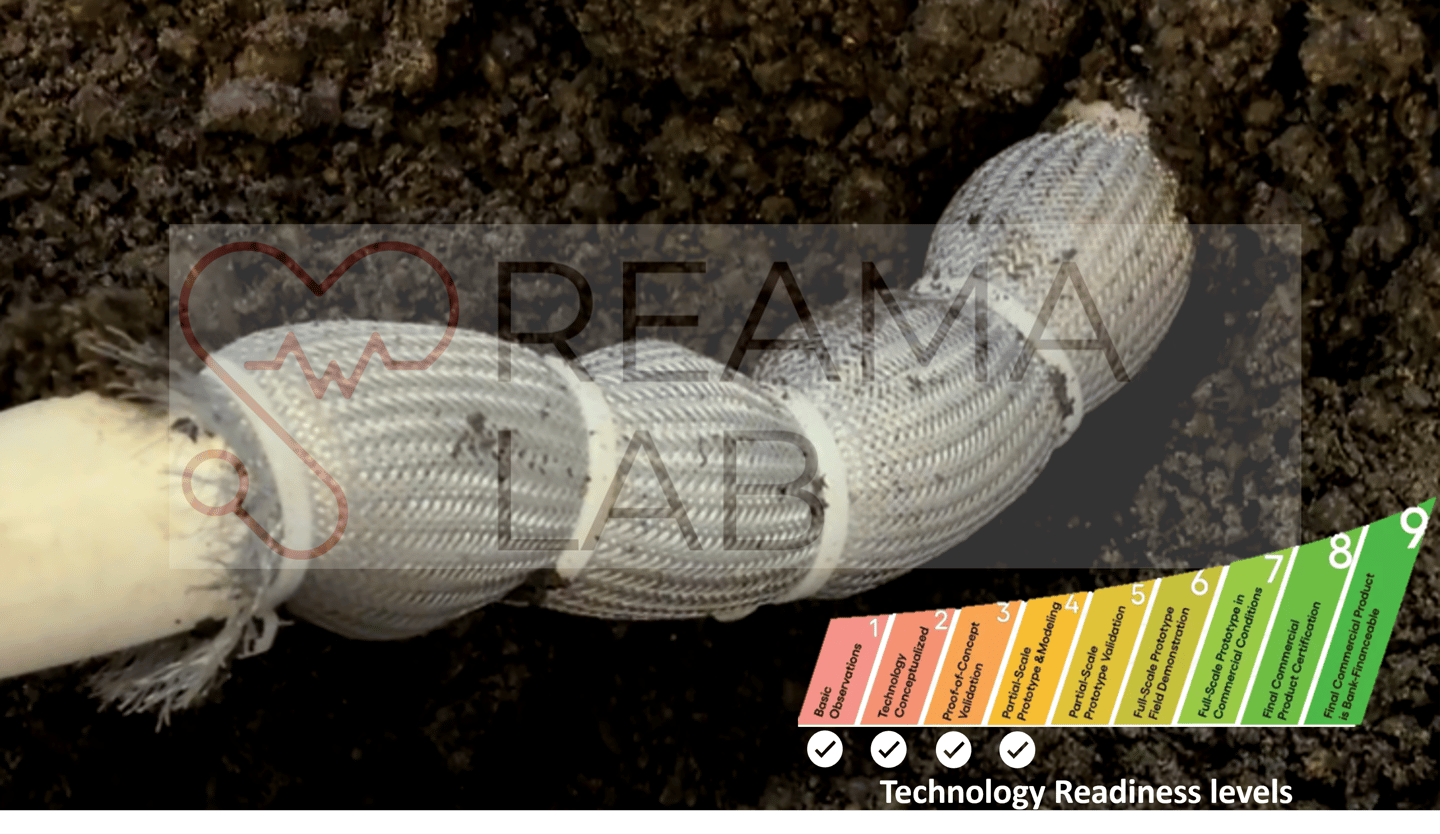
The RobotAgri-Probe is a bio-inspired soft robot designed for minimal-disturbance subsurface navigation. Utilizing peristaltic locomotion and variable-stiffness actuators, the probe penetrates compacted soil to deliver real-time, high-granularity chemical and physical data without altering the soil structure.
Non-Destructive Navigation: Our prototype employs a unique peristaltic motion that allows the robot to "flow" through soil particles, minimizing friction and energy consumption while preserving the surrounding soil structure.
Intelligent Morphing: The robot's body is designed to adapt its shape to the environment, allowing it to navigate around obstacles like rocks or large root systems that would stall traditional drilling equipment.
Environmental Informatics: A proprietary 'Tropical Soil Calibration Matrix' standardizes sensor data against gold-standard Walkley-Black titration baselines.
Modular Payload Interface: We have engineered a universal housing system that allows different sensor arrays to be swapped depending on the specific industrial or health-related goal of the mission.
IoT Integration: Long-range data transmission for real-time monitoring in remote agricultural environments.
Our Approach – Bio-Inspired Soft Robotics
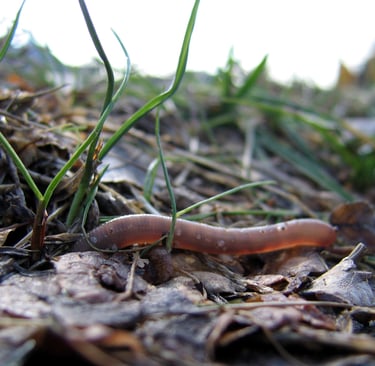
Rather than using rigid force or excavation, RobotAgri Probe utilizes the principles of soft robotics and bio-inspired locomotion. RobotAgri Probe aims to reduce auditing costs by 30% through autonomous, repeatable data collection.
High-Integrity Carbon Credits: Reducing measurement uncertainty for farmers and verifiers.
Precision Agriculture: Enabling targeted resource deployment based on varying-depth data.
Climate Resilience: Monitoring soil degradation in tropical 'Red Soil' critical zones
Impact: One Health and Sustainability
By providing a low-cost, scalable infrastructure for soil-health auditing, the RobotAgri-Probe supports
The core locomotion technology for Agro Bot (v1.0) has been successfully validated in our laboratory. We have proven that soft-bodied systems can effectively penetrate and navigate controlled soil environments with significantly less disturbance than rigid alternatives.
From Lab Prototype to Field Validation
Proprietary Technology and Intellectual Property
The core locomotion and sensing integration of Agro Bot (Draft 1) are protected under institutional IP frameworks. To maintain commercial viability and safeguard technical innovations for our partners, full mechanical blueprints and control algorithms are not disclosed publicly. Qualified researchers and grant reviewers may request access to a confidential technical brief and demonstration videos via the contact section below.
Industrial Real-World Integration: Validating our sensor payloads in diverse agricultural settings.
Stakeholder Impact: Direct engagement with farming communities to ensure our data dashboards meet the economic needs of the carbon-farming market.
One Health Analysis: Monitoring the correlation between deep-soil health and the nutritional density of staple crops.
The 2026 Roadmap


Manish Chauhan
Principal Investigator


Jack Fedden
MEng Researcher
Our Team


Mahidol University
INTERNATIONAL PARTNER
Faculty of Medical Technology, Center for Research Innovation and Biomedical Informatics
Mahidol University, Thailand
Sponsors

Contact
Reach out for collaborations or questions.
Phone
manish.chauhan[at]york.ac.uk
+44 (0) 1904 32 2361
© 2025. All rights reserved.