Upcoming training Seminar: Data-Driven Methods for Deploying AI [learn more and rEgister for the event]
Engineering the Future of Recovery: Student Innovation in Soft Robotic Rehabilitation
TEACHINGREAMATECHACADEMIC LEADERSHIP
ReAMA
2/16/20261 min read
The Vision: Research as a Classroom Tool
In the ReAMA Lab, we believe that the most effective way to learn medical engineering is to solve the same problems currently being tackled in professional research. This semester, I brought our lab's focus on Soft Robotics into the lecture hall, challenging students to design a wearable solution for hand rehabilitation.
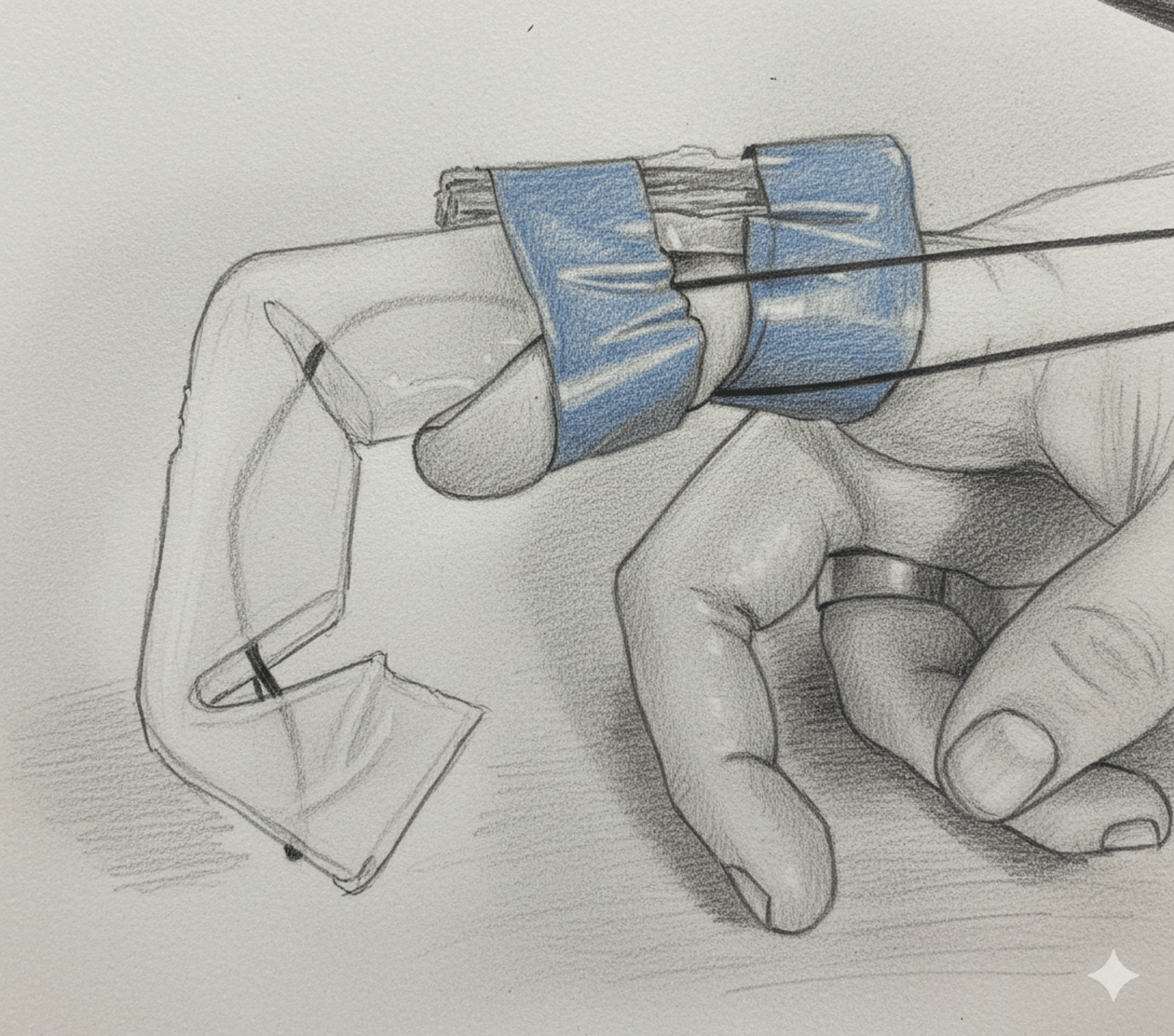
The Project: The Soft Robotic assistive finger
Soft robotics offers a "compliant" alternative to traditional rigid exoskeletons, making it safer and more comfortable for patients recovering from neurological conditions. Students navigated a rigorous design cycle:
Biomechanical Mapping: Analyzing the intricate movements of the human hand to determine where assistance is needed most.
Actuator Prototyping: Moving from conceptual sketches to the hands-on fabrication of tendon driven finger units actuated into flexible elastomers.
Human-Centric Testing: Iterating on their designs to ensure the rehabilitations units could be worn comfortably while providing meaningful grip assistance.
Why It Matters
This activity isn't just about building a finger rehabilitation unit; it’s about Systems Thinking. Students integrated knowledge from my modules— Biomedical Engineering (ELE0082H) — to understand how hardware, software, and human physiology interact.
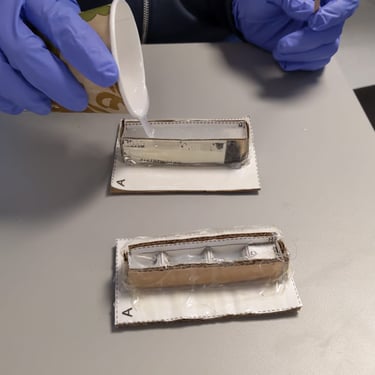
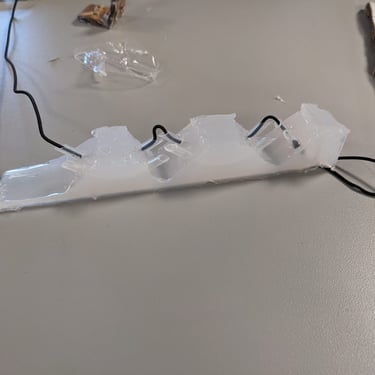
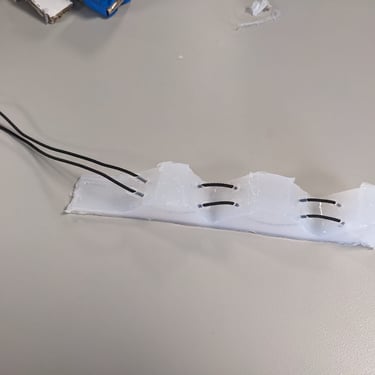
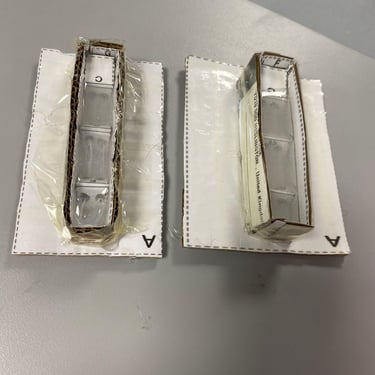
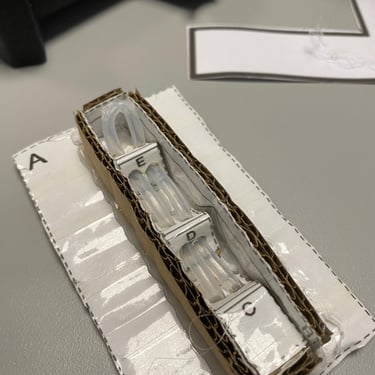
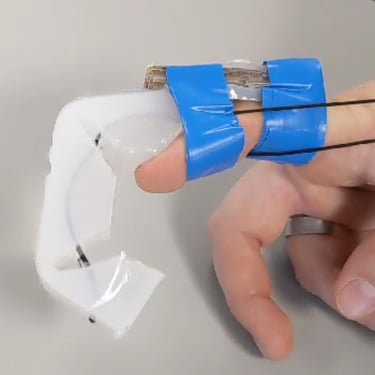
By bringing my research in soft robotics into the teaching space, we empower students to see themselves as innovators rather than just observers. These prototypes are proof that our students are ready to lead the next wave of MedTech
Contact
Reach out for collaborations or questions.
Phone
manish.chauhan[at]york.ac.uk
+44 (0) 1904 32 2361
© 2025. All rights reserved.